How to Clean Your Cat's Teeth at Home
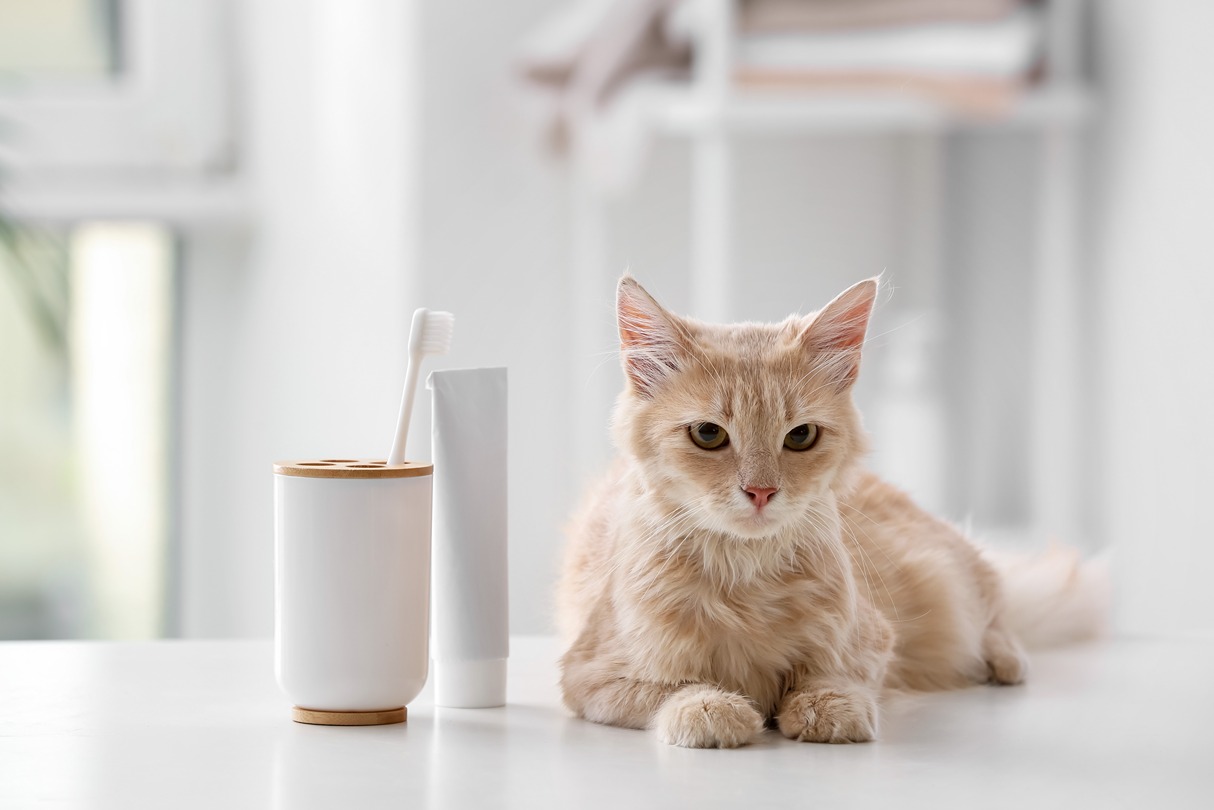
Feline dental disease can affect around 70% of cats by the age of three, according to RSPCA Australia. That makes looking after your cat's teeth an important part of their overall health and wellbeing.
Your cat might not be flashing their pearly whites for the camera, but what's going on inside their mouth matters. Regular cat teeth cleaning can help reduce plaque and tartar build-up and support healthier teeth and gums.
If you've been wondering how to clean cat's teeth safely at home, the key is to take things slowly.
Let's brush up on the basics of keeping cat teeth clean, plus some other ways to support their dental health.
Cleaning your cat's teeth at home
Starting dental care early can help your cat get used to the process, but adult cats can learn to tolerate feline teeth cleaning too.
1. Start slowly
Choose a time when your cat is calm and begin by gently touching around their mouth for a few seconds. Keep sessions short and positive.
2. Introduce pet toothpaste
Once your cat is comfortable, let them taste a small amount of pet-specific toothpaste from your finger. Cat toothpastes often come in flavours such as chicken or seafood to make the process more appealing.
Never use human toothpaste, as it isn't formulated for cats and may contain ingredients that can be harmful if swallowed.
3. Get them used to having their teeth touched
Gently lift your cat's lip and use your finger or a clean, soft cloth to touch the outside surfaces of their teeth.
If you want to clean cat teeth effectively, getting your cat comfortable with having their mouth handled is an important first step.
4. Introduce a toothbrush
Once they're comfortable, introduce a cat toothbrush, finger brush or soft-bristled toothbrush recommended by your vet. Focus mainly on the outside surfaces of the teeth, where plaque commonly builds up.
5. Build a routine
Daily brushing offers the greatest benefit, but don't force it if your cat becomes stressed. It may take time to establish a regular teeth cleaning for a cat routine.
A little patience goes a long way — convincing a cat to cooperate was never going to be a one-day job.
Reward your cat after brushing with praise, playtime or a favourite treat. Creating a positive association can make dental care easier for both of you.
Why does regular brushing matter?
Plaque is a soft film of bacteria that naturally builds up on your cats' teeth. If it isn't removed, it can harden into tartar.
Regular brushing helps remove plaque before it hardens. Once tartar has firmly built up, professional feline dental cleaning may be needed.
When it comes to cats and teeth, prevention is much easier than dealing with established dental problems later.
Other ways to support your cat's dental health
Brushing is one of the most effective things you can do at home, but other dental-care products can complement your cat's routine.
Dental diets
Some specially formulated dry cat foods are designed to help control plaque or tartar as your cat chews.
Ordinary kibble doesn't automatically provide the same benefits, so look for foods specifically designed to support dental health and speak with your vet if you're unsure which option suits your cat.
Dental treats and chews
Cat dental treats and chews can also form part of a dental-care routine.
Some are designed to help reduce plaque or tartar while giving your cat something tasty to sink their teeth into. Follow the serving directions on the pack and remember to include treats in your cat's overall daily food intake.
Dental toys
Some cat-safe dental toys can encourage chewing while adding enrichment to playtime. They can complement your cat's routine but shouldn't replace brushing or veterinary dental care.
Oral gels, rinses and water additives
If your cat won't tolerate brushing, other options include oral gels, rinses and water additives. You may also see these types of products described as a cat dental wash.
Effectiveness varies, so choose products specifically formulated for cats and follow the manufacturer's directions or your vet's advice.
Signs your cat may have dental problems
Cats can be good at hiding discomfort, so watch for changes in their eating habits or behaviour.
Signs of dental problems can include:
- Bad breath
- Red, inflamed or bleeding gums
- Yellow or brown tartar build-up
- Difficulty chewing or dropping food
- Reduced appetite
- Pawing at the mouth
- Drooling
- Loose, broken or discoloured teeth
- Swelling around the mouth or face
If you notice any of these signs, book an appointment with your vet rather than trying to solve the problem with brushing alone.
Don't skip the vet dental checks
At-home care plays an important role in keeping your cat's teeth healthy, but it doesn't replace professional dental checks.
Your vet can spot problems that aren't obvious from the outside and recommend professional cleaning or treatment if needed, including problems below the gumline.
Keeping your cat's teeth clean might take a little patience at first, but building good habits can help support a healthier mouth for years to come.
Start slowly, stay consistent and let your vet handle any existing dental problems.